
Bank of Canada Cuts Interest Rates to 3.00%: What This Means for You
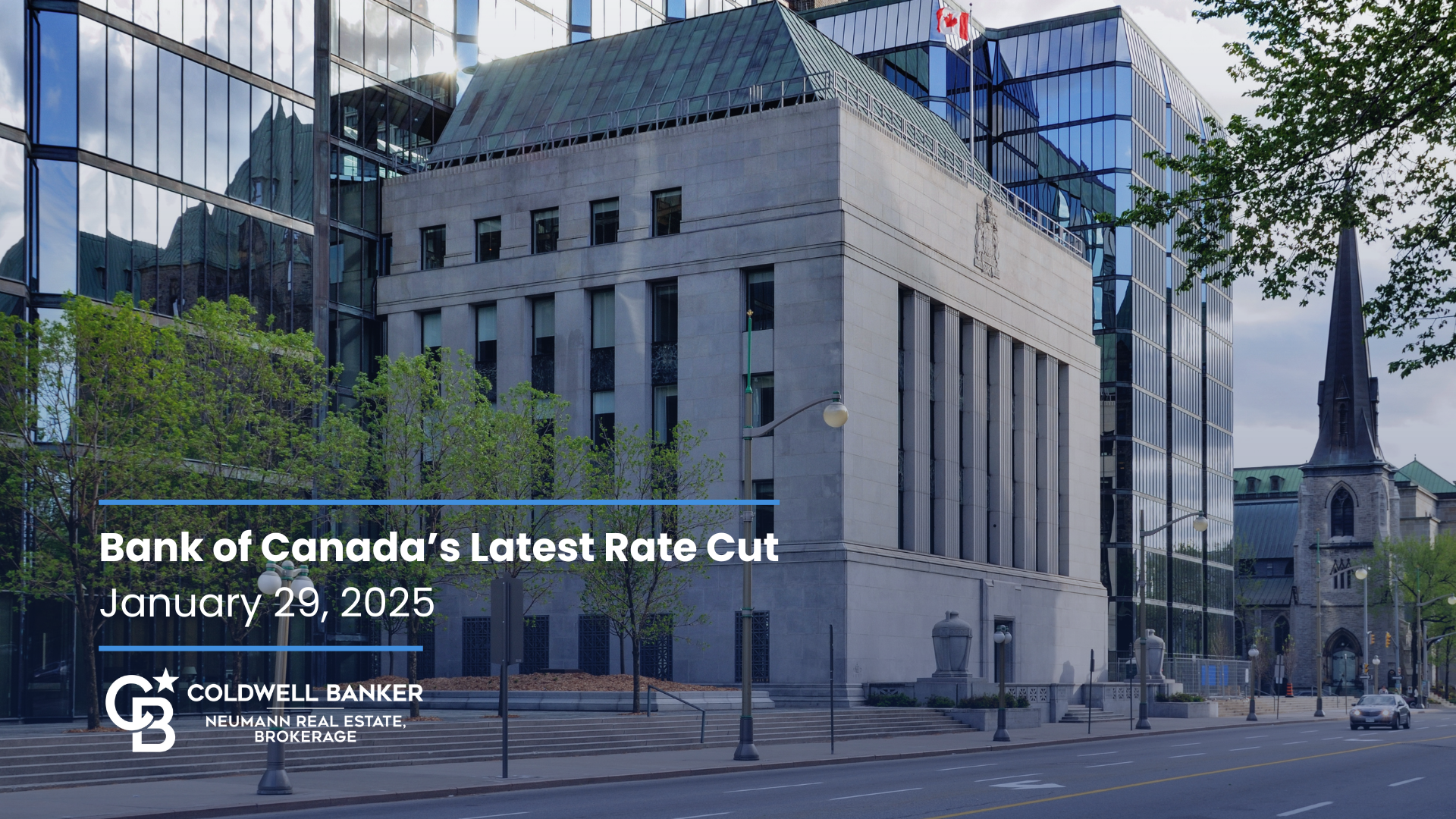
The Bank of Canada has lowered its key interest rate by 25 basis points to 3.00%, marking its sixth consecutive reduction. This decision comes as the central bank aims to support economic stability amid concerns over slower growth and global financial shifts.
Why the Cut?
The Bank of Canada has pointed to easing inflation, a cooling job market, and potential economic risks—including uncertainty around international trade policies—as key factors in its decision. Lower borrowing costs are intended to stimulate spending and investment.
How This Impacts You
Home Buyers: Lower rates can improve affordability by reducing borrowing costs, making homeownership more accessible.
Homeowners with Variable-Rate Mortgages: Expect potential savings as your interest payments decrease.
Sellers:
With borrowing becoming cheaper, demand in the housing market could rise, benefiting those looking to sell.
Investors & Businesses: Lower rates can encourage business growth and investment, potentially boosting economic activity.
What’s Next?
The Bank of Canada’s next policy announcement is scheduled for March 12th,
where further adjustments may be discussed depending on economic conditions.
If you’re considering your next steps in this shifting market, staying informed is key.
Share This Article

As the leaves begin to change and the air gets a little cooler, Guelph becomes a beautiful place to get outside and enjoy the season. Whether you're looking for a peaceful walk through colourful trees, a fun family outing, or a classic pumpkin-filled fall experience, there are plenty of ways to enjoy autumn right here
On September 2, 2026, the Bank of Canada announced that it is maintaining its target for the overnight rate at 2.25%, with the Bank Rate at 2.50% and the deposit rate at 2.20%.

Get ready for a weekend of family fun, community spirit, and harvest-time traditions at the 184th Annual Aberfoyle Fall Fair , happening September 11 and 12, 2026 , at the Puslinch Community Centre. This year’s theme, “It’s Harvest Time!” , sets the stage for a celebration packed with entertainment and activities for all ages. The fun includes giant inflatables, a rock climbing wall, axe throwing, live music, delicious food vendors, live pets, the famous Antique Tractor Pull, and so much more! Families can also enjoy the spectacular Marvels & Misfits Fire Show and an all-ages Glow Stick Dance Party, while adults can unwind in the licensed Refreshment Tent. Get Creative for the Display Contest for a Chance to WIN! The fair is also inviting families, friends, neighbours, and coworkers to get creative and help spread the word by putting together a festive harvest-themed display at their home or business. Whether you’re showcasing your garden harvest, creating a fall scene, or bringing your own creative twist to the theme, it’s a great way to bring the community together and build excitement for fair weekend. There are cash prizes up for grabs: 🥇 1st Place: $125 🥈 2nd Place: $100 🥉 3rd Place: $75 All displays must include signage with: Aberfoyle Fall Fair – September 11th & 12th, 2026 – at the Puslinch Community Centre To enter, email Jill Robbers at jillrobbers@gmail.com with your name, contact information, and display address by September 4, 2026 . For 184 years, the Aberfoyle Fall Fair has celebrated agriculture, community, and family traditions. This September, come out and be part of the tradition—make memories, support the community, and celebrate together. Coldwell Banker Neumann is proud to be a sponsor of the Aberfoyle Fall Fair and to support this wonderful community tradition. 📅 September 11 & 12, 2026 📍 Puslinch Community Centre ⏰ Gates open at 5pm on Friday, and 9am on Saturday Come celebrate the harvest and discover everything the Aberfoyle Fall Fair has to offer!

Tuesday, July 28, 2026, Elora's Longest BBQ returns to historic downtown Elora for an evening filled with incredible Canadian cuisine. Food Day Canada.
Bank of Canada announced it is maintaining its target for the overnight rate at 2.25%, with the Bank Rate at 2.50% and the deposit rate at 2.20%.

Jeff Neumann reflects on his early real estate career, and why trust, expertise, and adaptability—not information alone—remain the foundation of long-term success.
On June 10, 2026, the Bank of Canada announced it is maintaining its target for the overnight rate at 2.25%, with the Bank Rate at 2.50% and the deposit rate at 2.20%. The decision comes as global uncertainty persists, driven by ongoing geopolitical conflict, energy market volatility, and continued trade policy tensions. Rising oil prices and supply chain disruptions are contributing to inflationary pressure while also weighing on global economic growth. Global Economic Trends Remain Generally Steady In the United States, growth remains solid, supported by consumer spending and AI-related investment. In contrast, the euro area continues to see weaker growth as higher energy costs weigh on activity. China’s economy remains more stable, supported by strong export demand. Global financial conditions have loosened since the last Monetary Policy Report, with strong equity markets and continued volatility in bond yields. The Canadian dollar has also weakened against the US dollar and other major currencies. Canadian Economy Shows Soft Momentum Recent data shows the Canadian economy contracted slightly in the first quarter, with GDP edging down by 0.1%. While consumer spending increased, declines in government spending, housing activity, business investment, and exports weighed on overall growth. Employment increased in May, but overall labour market conditions remain soft, with unemployment holding between 6.5% and 7%. Even with expected near-term improvements, the economy is still projected to operate with excess supply. Inflation Remains Elevated but Moderating CPI inflation rose to 2.8% in April, largely driven by higher energy prices, including oil and the removal of the consumer carbon tax from the year-over-year comparison. Core inflation has eased closer to 2%, and broader price pressures remain more contained. Food inflation has moderated but remains elevated, while shelter inflation continues to ease. Overall inflation is expected to remain near 3% in the near term before gradually moving back toward the Bank’s 2% target. Policy Decision And Outlook Against this backdrop, the Governing Council decided to maintain the policy rate at 2.25%. The Bank noted ongoing weakness in domestic growth, persistent global uncertainty, and elevated energy prices. While it continues to look through short-term inflation impacts from energy, it emphasized it will not allow these pressures to become entrenched in long-term inflation trends. The Bank remains committed to supporting price stability and will respond as needed as economic conditions evolve. Looking Ahead The next scheduled announcement for the overnight rate is July 15, 2026, when the Bank will also release its next Monetary Policy Report. Until then, borrowing conditions are expected to remain relatively steady as markets continue to adjust to evolving global and domestic economic signals. Have questions about how this may impact your buying or selling plans? Contact us today to discuss your next steps in today's market.
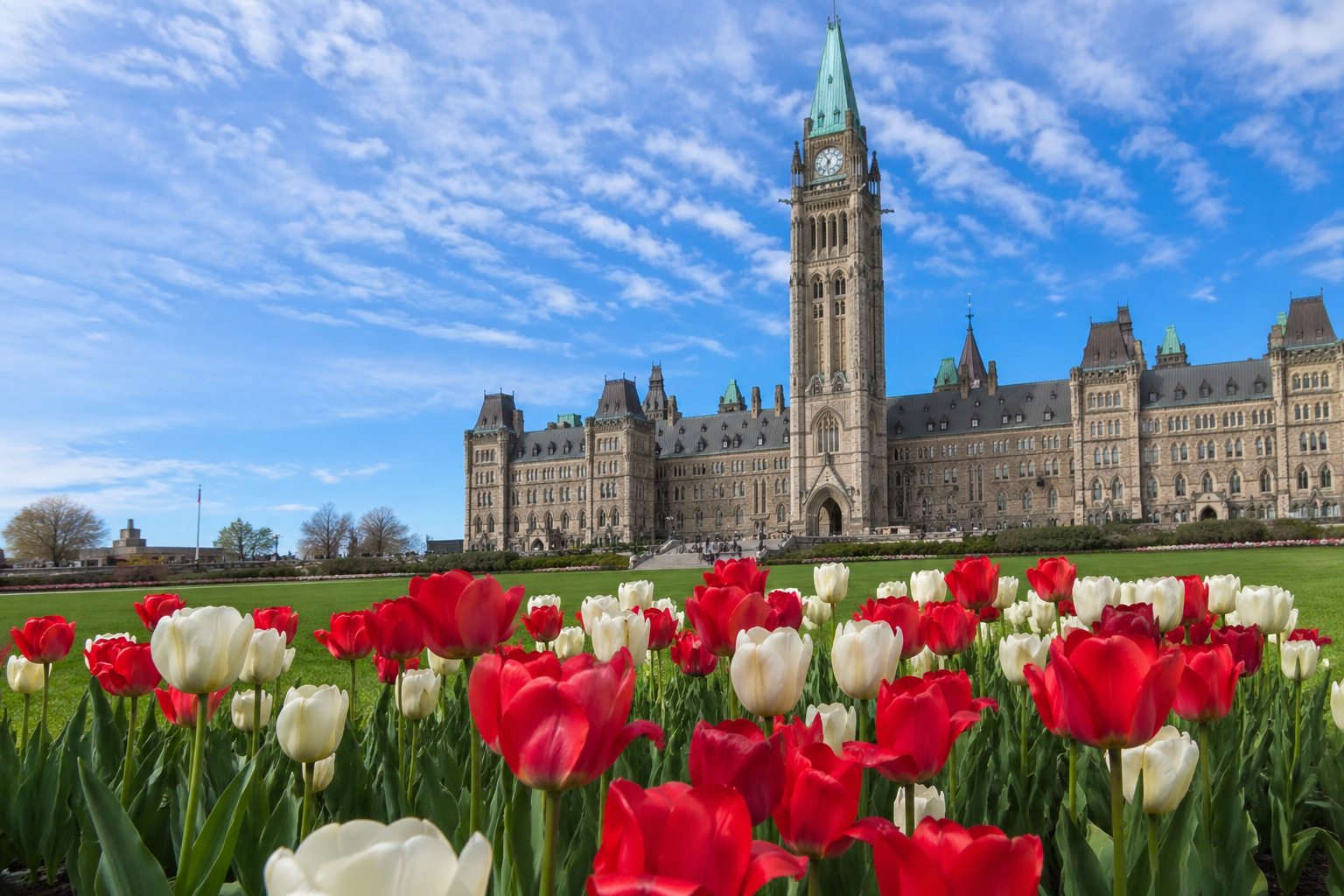
The Bank of Canada announced it is maintaining its target for the overnight rate at 2.25%, with the Bank Rate at 2.50% and the deposit rate at 2.20%.

It’s finally starting to feel like spring in Guelph. Wherever you're living, this time of year brings a fresh perspective to every space.
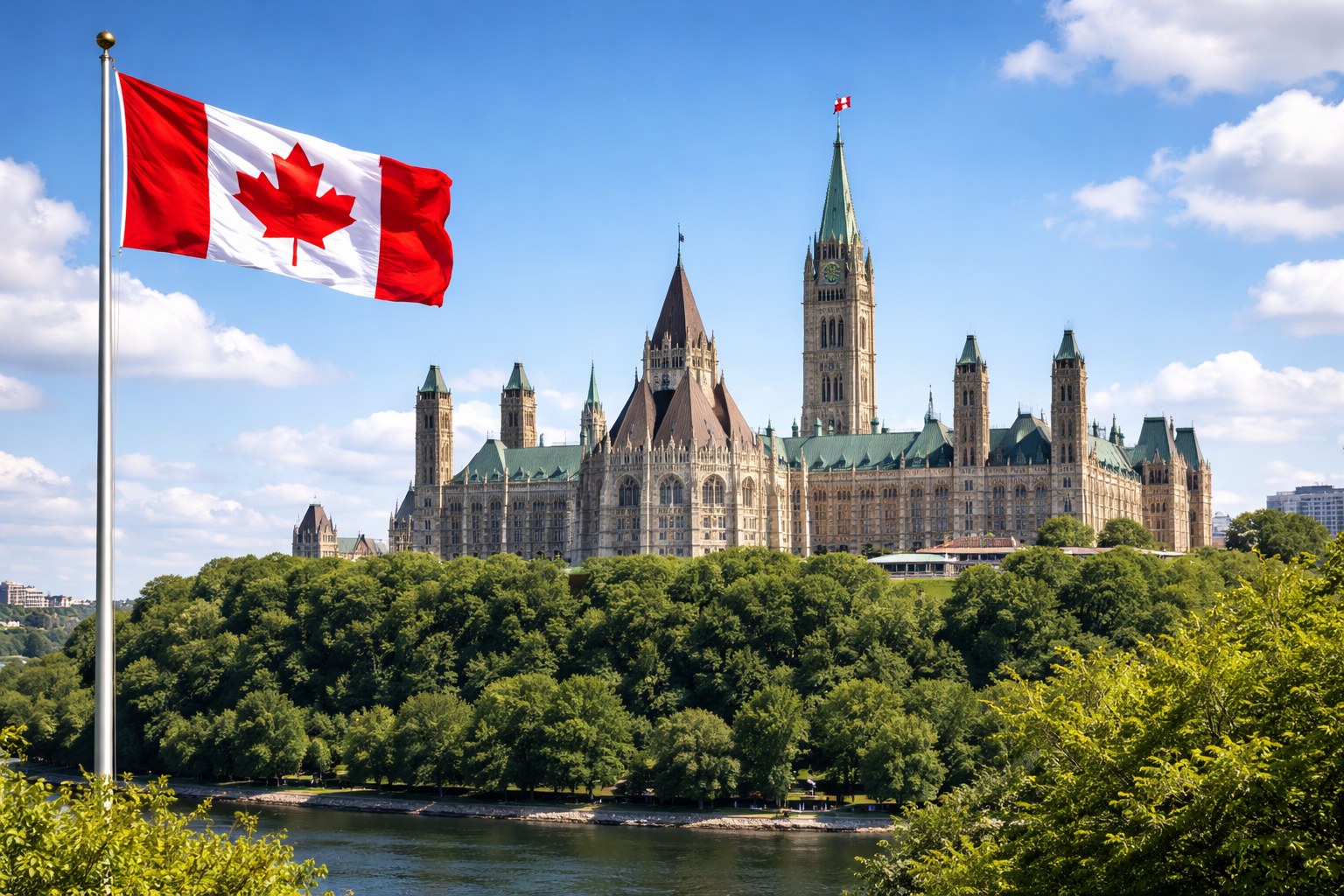
On March 18, 2026, the Bank of Canada announced it is holding its target for the overnight rate at 2.25%, with the Bank Rate at 2.50% and the deposit rate at 2.20%.